|
CLONARD
|
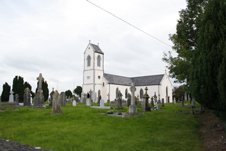
Cormac's army travelled from Tara to Clonard and on this
first night on the march southwards, they made camp at Clonard. (Comar na
gCuan/Comar Cluana hIoraird)
Cith Rua meets Fios Mac Athfhis, the Chief
Druid of Leinster.
That night, Cith Rua, one of Cormac’s old druids,
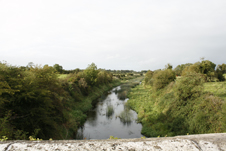
left the camp that night and went towards the south west until he met a stream. On the other side of the stream he saw
Fios Mac Athfhis from Leinster, the chief druid of the area.
The Druids spoke about the march. Both agreed that
Cormac would not be successful in his attempts
to get tribute from the men of Munster and compensation
for the death of his father, and that Cormac’s
people would suffer greatly as a result.
They
were overheard by servants who reported the
conversation to Cormac.
Cormac ordered that his Druid, Cith Rua, be
killed. This was revealed to Cith Rua and he
returned to camp disguised.
The army followed the Leinster Druid who had headed in a south wards direction, but he
blew a magic breath on them. He made everyone
in the army appeared to look like himself, the
grey-haired Leinster Druid. The men turned and
tried to wound and kill each other.
Cormac called on his fairy druids for help and
they blew a magic breath on the army and the
men returned to their own form.
|
|